Что же вы ищете?


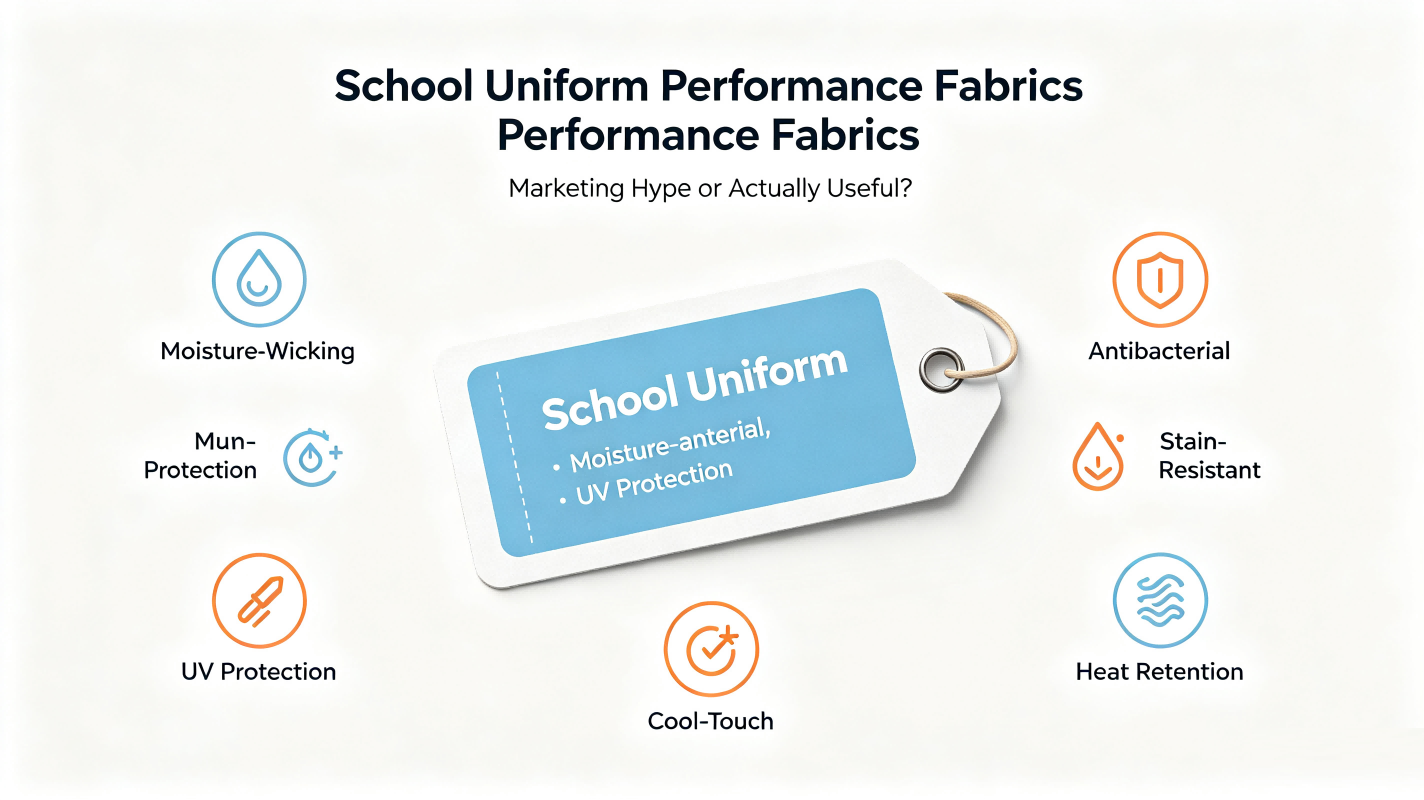
A brand-new uniform, worn for just a month—and there are little fuzz balls all over the knees, cuffs, and the spots where the backpack straps rub. After two or three washes, the colour looks noticeably duller and older, and lighter-coloured uniforms get stained by darker ones. These two complaints are the most common ones parents have about uniform quality.
Today, we're going to break down the causes of pilling and fading from a textile technology perspective—not just telling you "why it happens," but also "what you can do about it."
First, pilling: why do some uniforms start pilling after just a few days?
The complete pilling process happens in three stages
Pilling doesn't appear out of nowhere—it goes through a full cycle:
Stage 1: Fuzzing. No matter how smooth the fabric surface is, after being worn for a while, friction pulls fibre ends out of the yarn, and they rise to the surface, forming visible fuzz.
Stage 2: Tangling. These fuzzy fibres rub against each other repeatedly, intertwine, tangle, and gather into small clusters.
Stage 3: Ball formation. The tangled fuzz gets rolled into little spherical pills, held to the fabric surface by a few unbroken fibres—and that's the pilling we see.
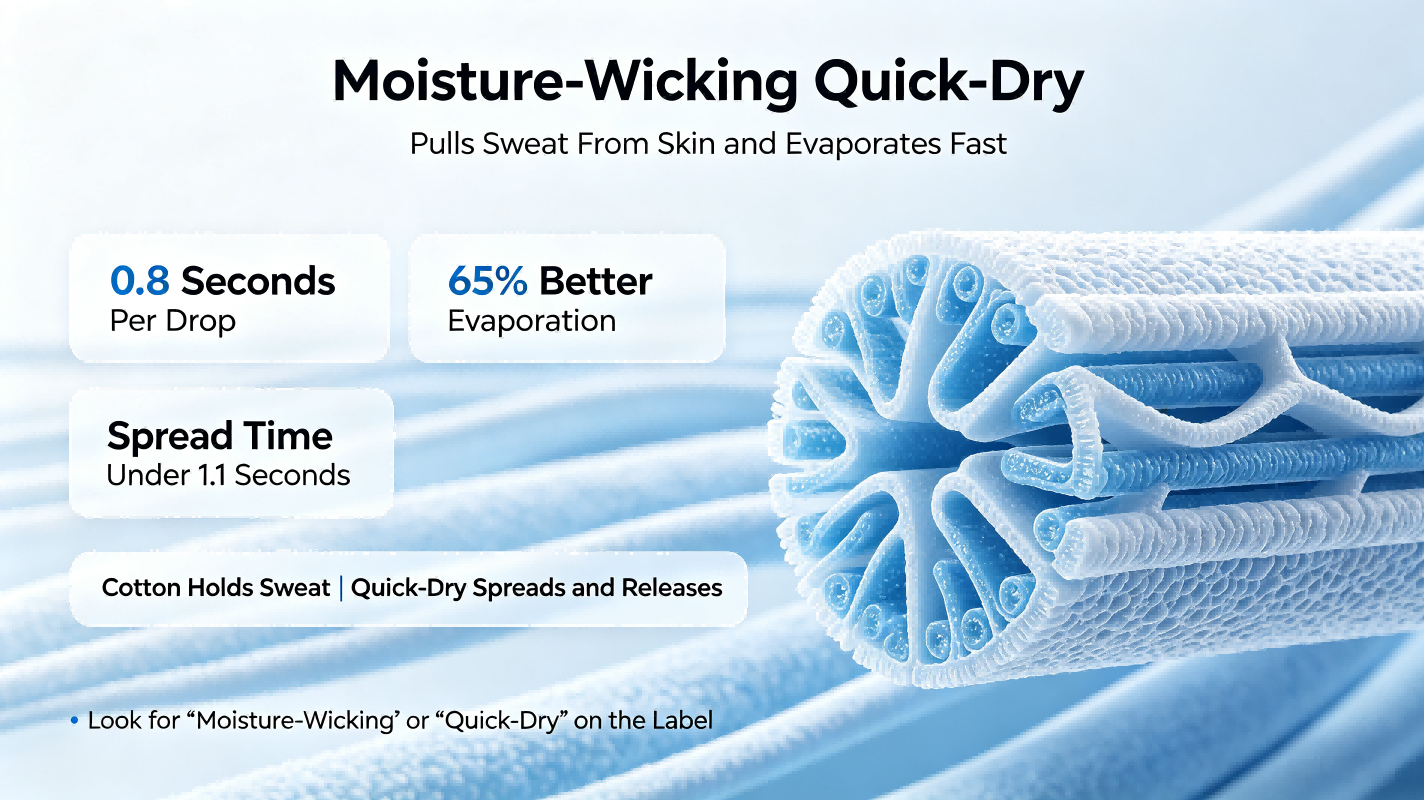
The three key conditions for pilling are: the fibres are strong enough (they don't break easily), there's repeated friction (constantly generated during wear and washing), and the pills don't fall off easily. When all three conditions are met, the pills stay put.
Four factors determine whether a uniform is prone to pilling
Factor 1: Fibre type – polyester-cotton blends are the biggest culprit
Pure cotton and pure polyester on their own don't actually pill very easily. Cotton fibres are short (only 28–36 mm) – after rubbing, they break off as tiny fuzz before they can form balls; at most they just fuzz up, but they don't ball. Polyester is a continuous filament—a single filament can run for kilometres, and the yarn itself is very strong, so it doesn't fuzz up easily from rubbing.
But when cotton and polyester are blended together, things change completely. The short cotton fuzz that would normally break off instead hooks onto the strong polyester filaments, and after repeated rubbing, the fuzz wraps around the polyester and gets rolled into pills. That's why many poly-cotton blend uniforms (commonly called TC or CVC) are especially prone to pilling.
In terms of fibre elasticity, cotton, linen, and viscose fabrics are less likely to pill, while polyester and acrylic are more likely.
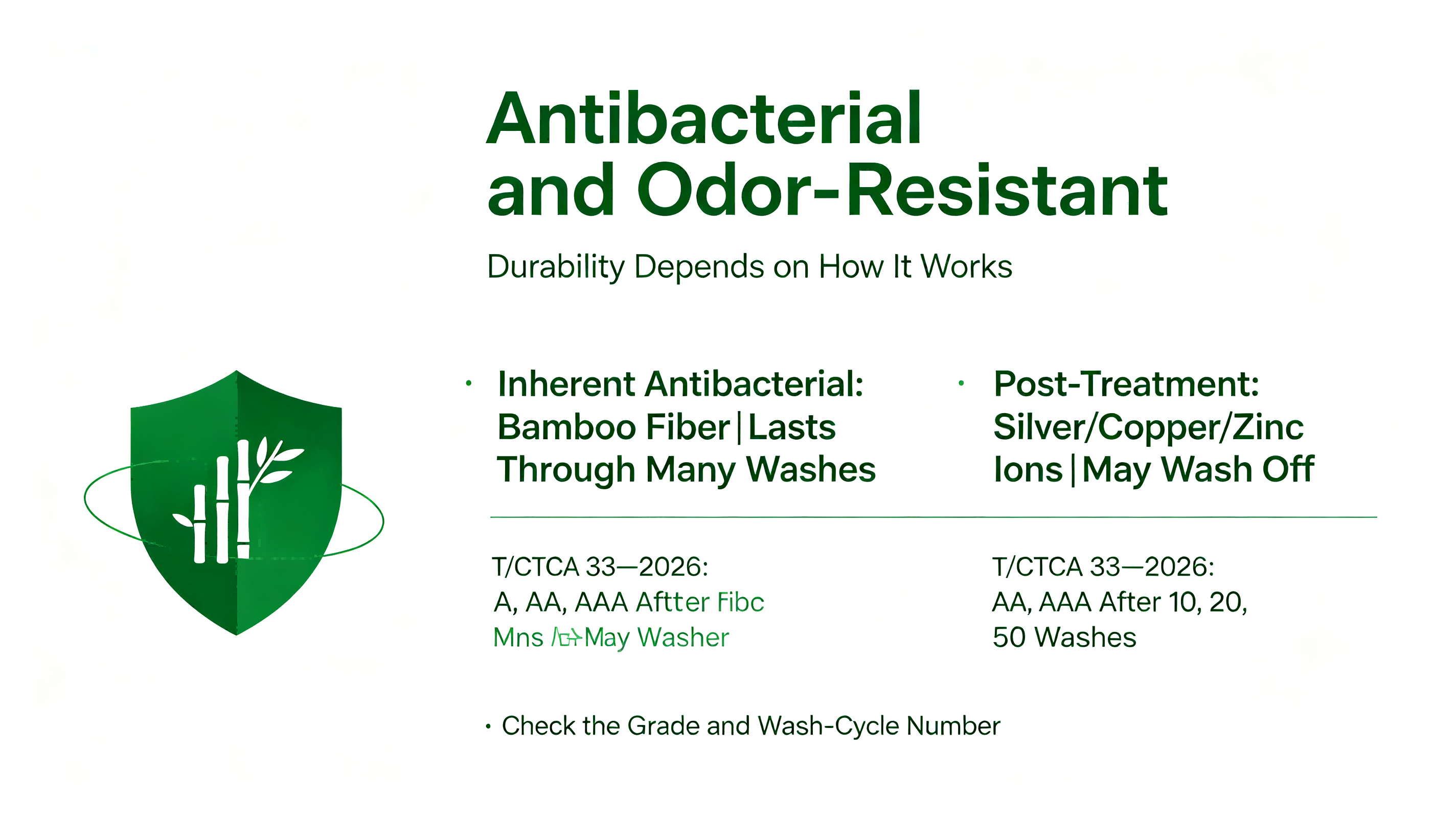
Factor 2: Yarn twist – the tighter it's twisted, the less it pills
What is twist? Think of twisting a rope – the tighter you twist it, the higher the twist, the more tightly the yarns bind together, and the harder it is for fibres to be pulled out – so less fuzzing and pilling.
Knitted school uniforms usually use yarn with relatively low twist, so the fibres in the yarn move more easily – that's why knits are more prone to pilling than woven fabrics. Loosely constructed knits are especially bad.
Factor 3: Fabric structure – plain weave is most resistant, satin is most delicate
In woven fabrics, different weaves have different pilling tendencies:
l Plain weave: Warp and weft yarns interlace one over one—the most interlacing points, firm texture, good abrasion resistance, least likely to pill.
l Twill weave: Warp and weft interlace two over one – fewer interlacing points, longer floats, more elasticity and softness, more likely to pill than plain weave.
l Satin weave: Warp and weft interlace only once every three or more yarns—the longest floats, the best lustre, the softest—but also the most prone to pilling.
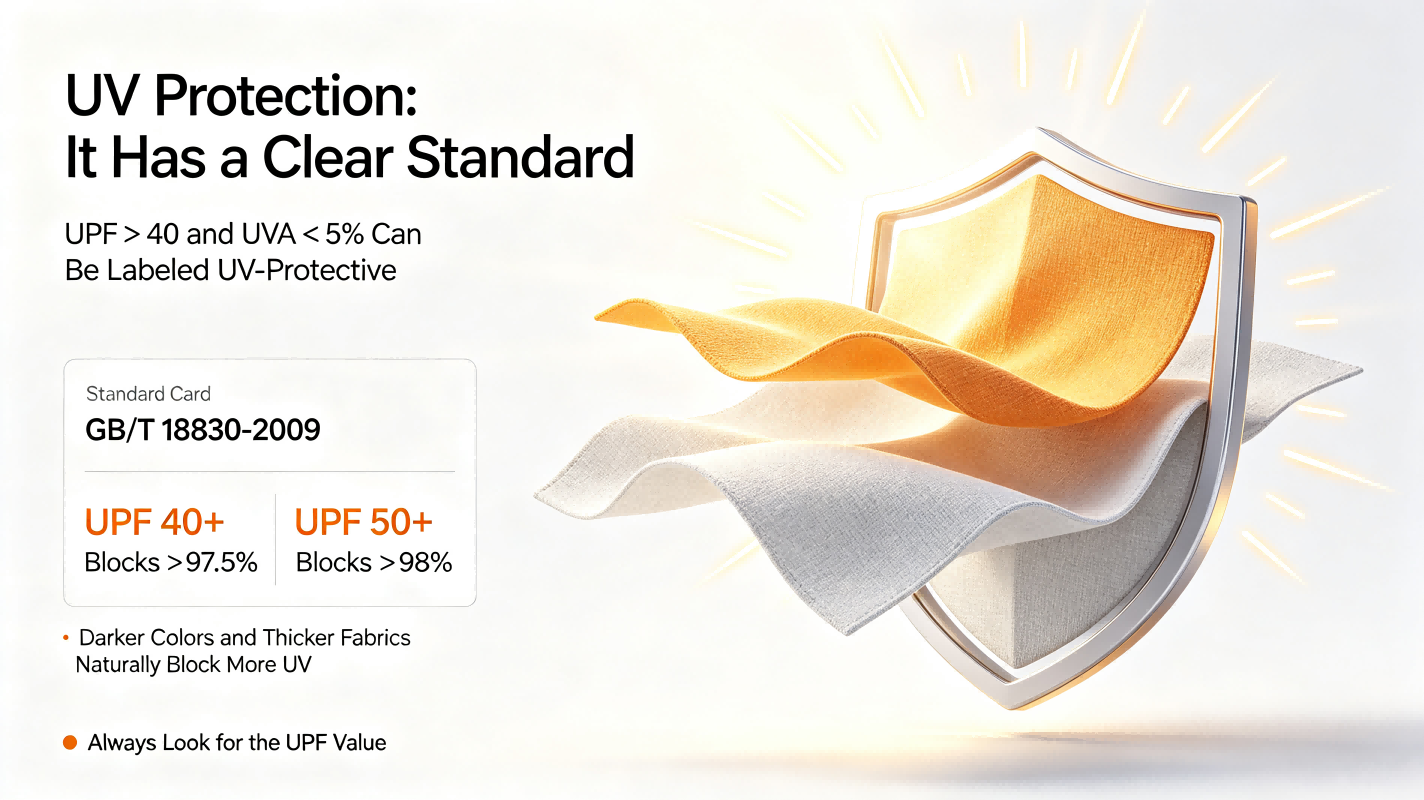
Factor 4: Wearing and washing habits – more friction means faster pilling
School uniforms pill more than regular clothes because they're worn and washed more often. Pilling usually happens in high-friction areas—the inner thighs, wrists, and elbows, where backpack straps sit, and around the belt line—all places that get rubbed repeatedly.
The spinning and tumbling action of a washing machine also makes fibres rub against each other, which accelerates pill formation.
Now, fading: how does colour "run away"?
If pilling is a "physical" problem, fading is a "chemical" one.
Colour fastness – the professional measure of fading
Colorfastness, in simple terms, is how well a dye on a textile can maintain its original colour when exposed to various external factors—sunlight, washing, perspiration, rubbing, etc. GB/T 31888-2015 "School uniforms for primary and secondary school students" sets stricter colour fastness requirements for uniforms than for ordinary garments, with some indicators reaching the level of "top grade" products.
Colour fastness tests for school uniforms include: colour fastness to water, to perspiration (acid and alkaline), to dry rubbing, to wet rubbing, to soap washing, to light, and to combined light and perspiration. The national standard requires these indicators to be no lower than grade 3–4. Anything below that is considered substandard.

Common causes of fading
Cause 1: Poor dye quality
Dyes come in different grades. Cheap dyes (like direct dyes and mixed-fibre dyes) have dye molecules that are very active even at room temperature—rub them with your hands and the colour transfers onto your skin. Add water or a little soap, and they fade immediately. The dyeing cost for these is only about 0.5–0.9 yuan per metre—you get what you pay for.
Higher-quality reactive dyes or vat dyes have better colorfastness and bond more thoroughly with the fibres.
Cause 2: Poor dyeing process
Even with the right dye, if the process isn't up to scratch, it won't work. If temperature, time, or auxiliaries aren't properly controlled during dyeing, the dye can't penetrate fully into the fibres, the fixation rate is low, and the colour fades after a few washes. If the post-dye washing isn't thorough enough, residual loose colour will bleed noticeably on the first wash.
Cause 3: Combined light and perspiration – the "hidden killer" of summer fading
In summer, kids sweat a lot—and when a sweat-soaked uniform is exposed to direct sunlight, that's when fading is most likely.
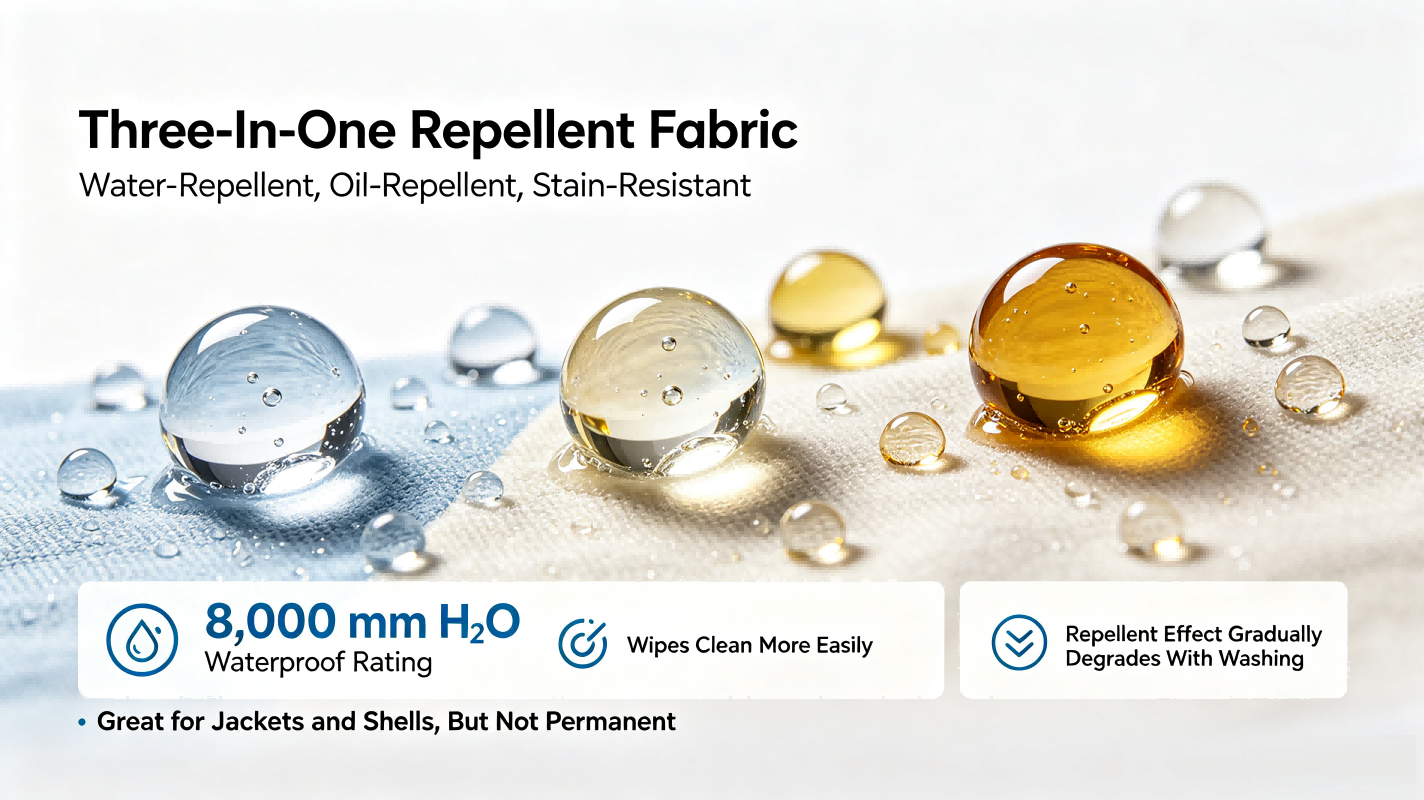
Components in sweat (like amino acids) have reducing properties. Combined with solar energy, they trigger photo‑oxidation‑reduction reactions with the dye, causing it to fade. Summer uniforms are mainly cotton (the national standard requires at least 35% cotton in next‑to‑skin parts), and cotton has good moisture absorption – sweat stays on the fabric and doesn't dry quickly, so light‑and‑perspiration fading is more pronounced.
GB/T 31888-2015 requires summer uniforms to be tested for colour fastness to combined light and perspiration. But some companies, despite passing the test, still get fading complaints after actual wear. Testing agencies have found that the standard test method may give a grade 4 (pass), while a more realistic "enhanced" test method gives only grade 1‑2. This suggests there may be a gap between lab testing and real‑life wear.
Cause 4: The colour itself – dark and "sensitive" colours fade more easily
Colours like coffee and black are considered "sensitive" colours – they don't fix as firmly and require higher‑quality processing and fabrics. Dark uniforms often show more fading from rubbing and washing than lighter colours.
What can parents do? Practical ways to prevent and manage these problems
For pilling:
1. Choose the right fabric when buying. Pure cotton, linen, and viscose fabrics are relatively pill-resistant. If you buy a poly-cotton blend uniform, look for higher-count combed cotton blends—they have better anti-pilling performance.
2. Reduce friction during wear. Try to avoid constant scraping against hard objects like backpack straps and desk edges.
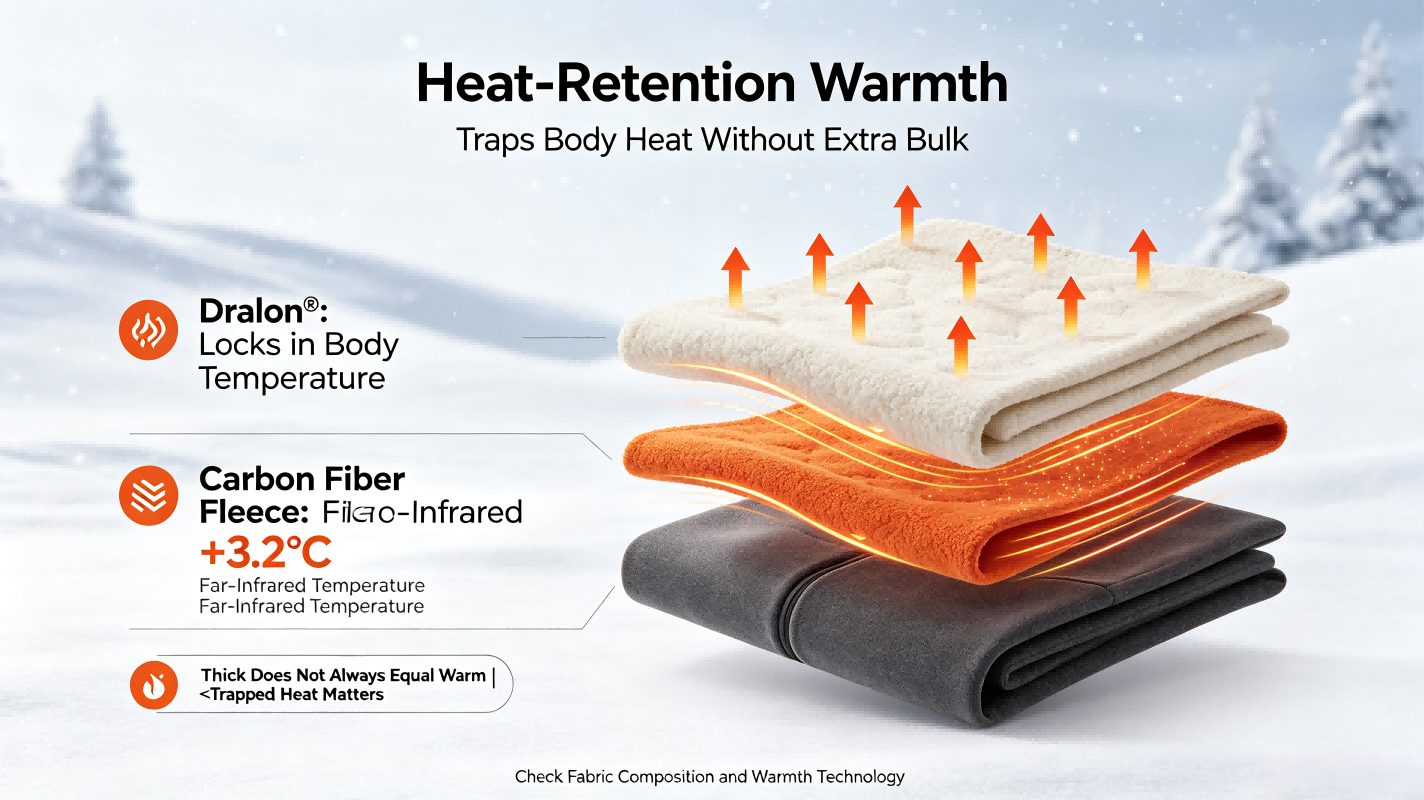
3. Turn inside out and use a laundry bag when washing. Turn the uniform inside out before putting it in the washing machine to reduce direct friction on the outer surface. Cuffs, collars, and other high-wear areas can be put in a fine-mesh laundry bag. Avoid washing with rough-textured fabrics.
4. What to do if pilling has already happened? Use an electric pill remover to gently shave them off. Never pull them off with your fingers—pulling can deform the fabric, enlarge gaps between fibres, and actually pull out more fibres, creating even more pills. If pilling is severe, contact the manufacturer to see if it's a quality issue.
For fading:
1. Soak new uniforms in salt water first. Before the first wash, soak the uniform in concentrated salt water for half an hour, then wash as usual. Salt temporarily seals the gaps between dye molecules, helping the colour "grip" the fabric. If there's still slight colour bleeding, give it a short soak in diluted salt water for ten minutes before each wash.
2. Wash and dry inside out. Turn the uniform inside out for both washing and drying—this reduces direct exposure of the outer colour to sunlight and air.
3. Use cold water and neutral detergent. Hot water accelerates dye loss—wash in cold water on a gentle cycle. Avoid strong alkaline detergents—use neutral ones.
4. Dry in the shade, not in direct sun. UV rays are a fading accelerator. After washing, hang the uniform in a ventilated, shaded area to dry—don't bake it under harsh sunlight.
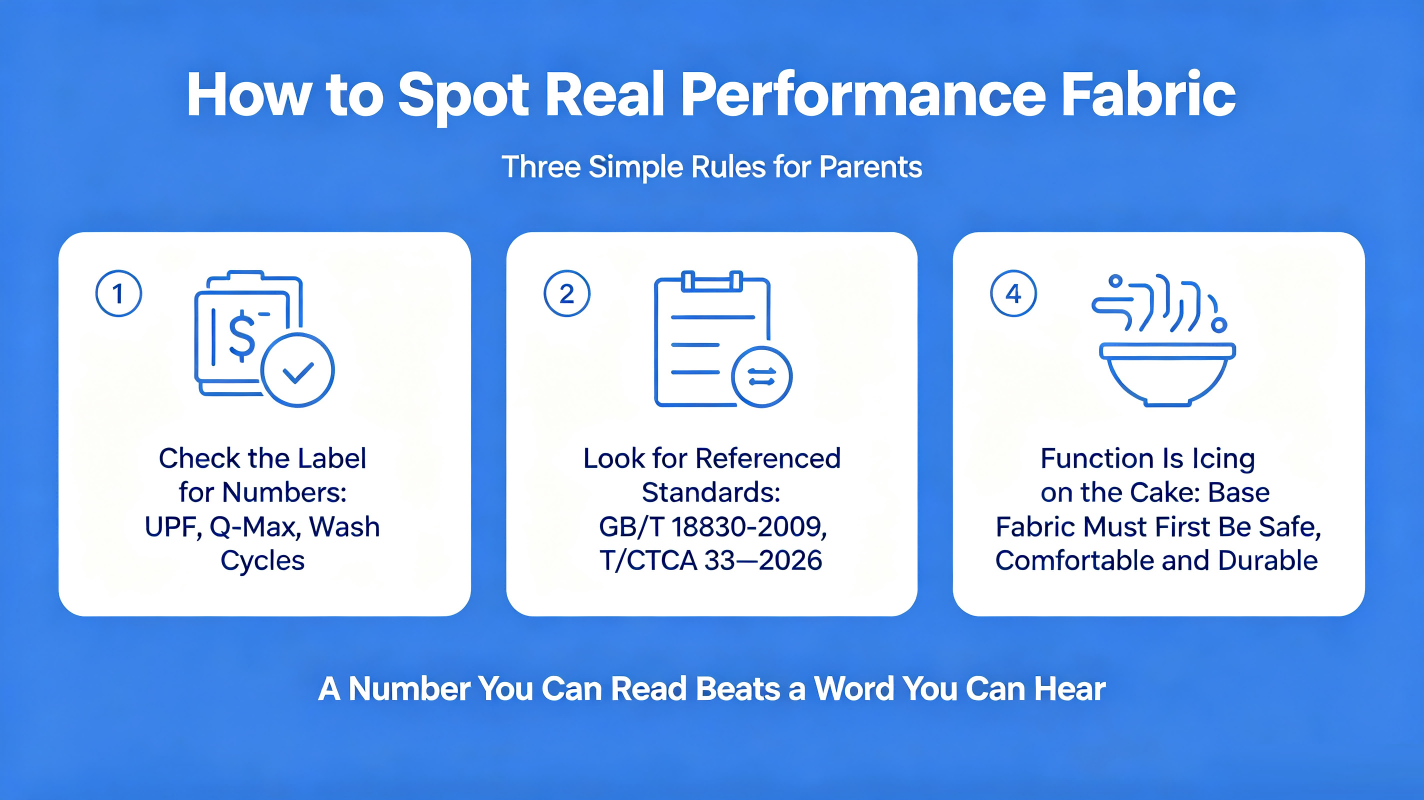
One last honest word
Pilling and fading are the two most common issues with school uniforms in daily use. Pilling is mostly the result of physical friction—fibre type, yarn twist, fabric structure, and wearing habits all determine how prone a garment is to pilling. Fading is more of a chemical issue—dye quality, dyeing process, and light-perspiration effects all determine how long the colour will last.
GB/T 31888-2015 has clear requirements for both pilling and colour fastness: pilling resistance no lower than grade 3-4, and specific grade requirements for each type of colour fastness. Uniforms that meet the national standard have a basic guarantee on both indicators.
But meeting the standard doesn't mean they'll never pill or fade. Even the best uniform, worn every day, washed every week, and rubbed constantly, will eventually show wear. What parents can do is choose the right product when buying and take care of it properly during use—pick the right fabric, use the right washing methods, and reduce unnecessary friction. Do these things, and your uniform will keep its "good looks" for at least another term or two.