Что же вы ищете?



Ключевые выходы
В этой статье представлен углубленный анализ для школьных администраторов, менеджеров по закупкам и лиц, принимающих бизнес-решения, выделяя пять потенциальных рисков и фактических затрат, связанных с покупкой школьной формы или рабочей одежды у недорогих, непрофессиональных поставщиков. Это также демонстрирует долгосрочную ценность партнерства сПроизводители профессиональной школьной формы.
Введение
Когда учебные заведения или предприятия Закупка униформы оптом,Стоимость часто является основным соображением. Однако, выбирая производителя одежды с самой низкой ценой вместоСпециализированный поставщик униформыМожет привести к неожиданным рискам и потерям в качестве, доставке, соответствии требованиям и общей стоимости владения. Истинная экономия затрат должна основываться на стоимости, а не только на цене.
Текст
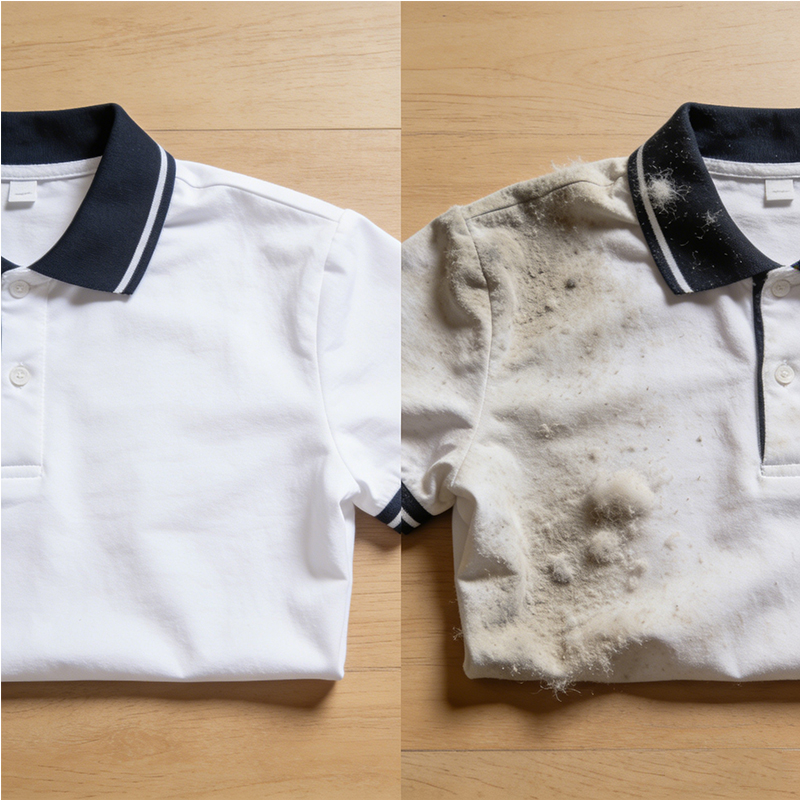
Риск 1: Порочный цикл непоследовательного качества и частых замен
Непрофессиональным поставщикам часто не хватает технических знаний о ткани и строгих протоколов контроля качества, необходимых для школьной формы и спецодежды. Это может привести к:
Проблемы ткани:Плохая цветостойкость, пиллинг и чрезмерная усадка, в результате чего одежда стареет и быстро деформируется после нескольких стирок.
Производственные дефекты:Слабая строчка, легко снимающиеся застежки и плохо прилегающий дизайн, влияющие на комфорт и имидж владельца.
Последствия:Увеличение жалоб со стороны студентов или сотрудников, более короткие циклы замены одежды и, в конечном итоге, более высокие долгосрочные затраты на закупки.
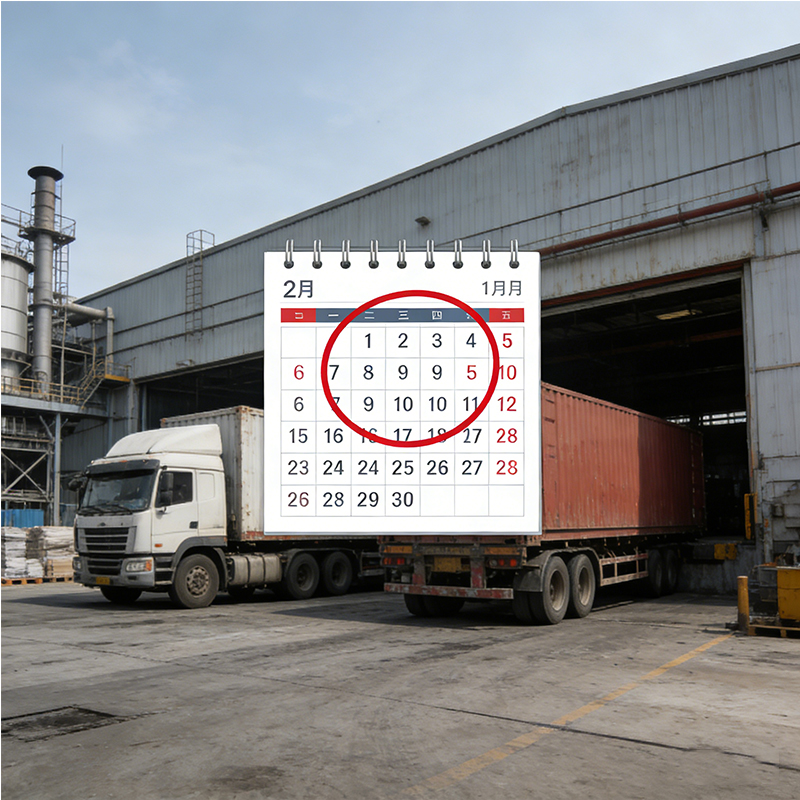
Риск 2: сбои в цепочке поставок и задержки доставки
Современная доставка крупномасштабных заказов зависит от зрелого управления цепочками поставок и планирования производства. Непрофессиональные производители имеют слабые возможности управления рисками и легко подвержены воздействию таких факторов, как нехватка ткани и ограничения производственных мощностей, что приводит кЗадержки доставкиКоторые нарушают школьные открытия или сроки проекта компании, вызывая значительное давление со стороны руководства.

Риск 3: риски безопасности и репутации из-за несоблюдения требований
Профессиональная школьная форма/спецодежда имеют особые требования безопасности (например, стандарты шнура и шнурка для детской одежды, огнестойкие/антистатические стандарты для конкретных отраслей промышленности). Непрофессиональные поставщики могут быть незнакомы с этими или игнорировать ихОбязательные стандарты безопасностиИСертификаты, Подвергая отделы закупок риску отзыва продукции, юридических споров и ущерба репутации бренда.
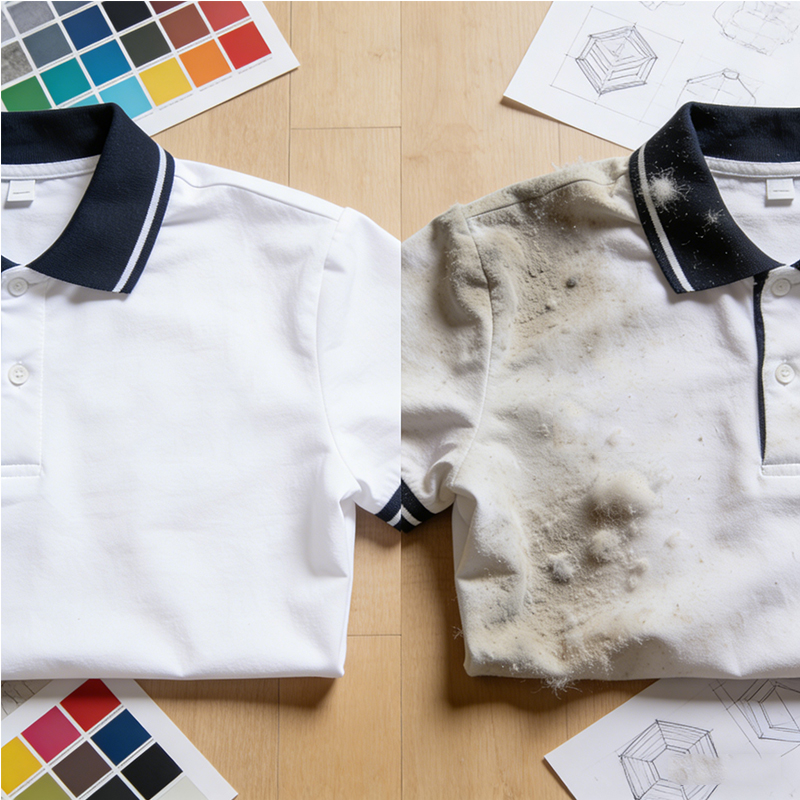
Риск 4: Отсутствие поддержки дизайна и интеграции бренда
Одежда является важным носителем школьной культуры или корпоративного имиджа. Профессиональные поставщики могут обеспечитьИндивидуальные дизайнерские услуги, Эффективно интегрируя логотипы, цвета и культурные элементы. Непрофессиональные поставщики обычно могут выполнять только простую имитацию, что затрудняет достижение глубокого выражения бренда и повышения ценности.
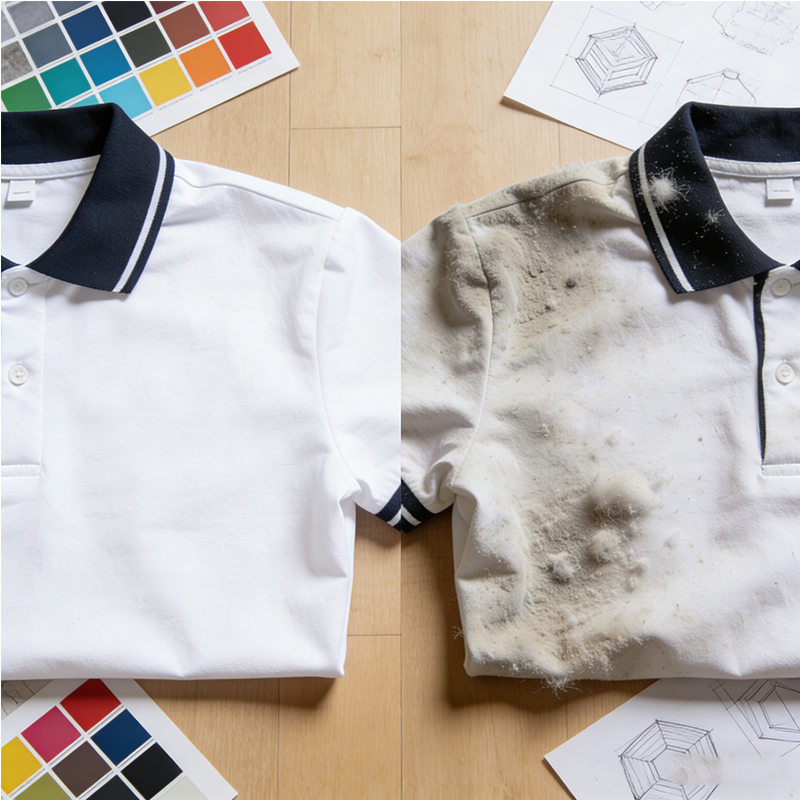
Риск 5: Неэффективное общение и ненадежное послепродажное обслуживание
Профессиональные проекты требуют эффективной и профессиональной коммуникации. Профессиональные поставщики обычно имеютСпециализированные менеджеры по учетным записямИ комплексное послепродажное обслуживание (например, повторный заказ и ремонт). Непрофессиональные поставщики часто слабы в этой области, что приводит к неэффективному решению проблем.
Резюме и рекомендации в отношении действий
Выбор поставщика-это стратегическое решение. Рекомендуется, чтобы покупатель проверил отраслевой опыт поставщика, процесс контроля качества, сертификаты соответствия и прошлые случаи (портфель) в дополнение к цене при запрашивании. Работая с профессиональным производителем OEM/ODM, хотя цена за единицу может быть немного выше, гарантия качества, доставки, безопасности и ценности бренда значительно снизит общий риск и долгосрочную стоимость владения, а также обеспечит реальную отдачу от инвестиций.